← Back to Home

College Physics for AP Courses 2e

From kinematics to fluid dynamics. Master the fundamental laws of motion and energy.

About This Course

+

College Physics is algebra-based physics, meaning it uses algebra and trigonometry rather than calculus. In many U.S. high schools it's taken in the junior or senior year, though it's designed to work as a first-year college course. Before starting, you should be comfortable with trigonometry, basic geometry, and algebra, including quadratic equations.

Algebra-Based vs. Calculus-Based Physics

This course, and this video library, cover algebra-based physics. There's also a calculus-based version, often called University Physics or AP Physics C, typically required for physics, engineering, and similar majors. Algebra-based physics is a common choice for life sciences, pre-health fields, or a general science requirement. If you're not sure which one your intended major needs, check with an advisor before choosing.

Broad Topics in Physics

  • Mechanics: motion, forces, energy, momentum, rotational motion, and equilibrium
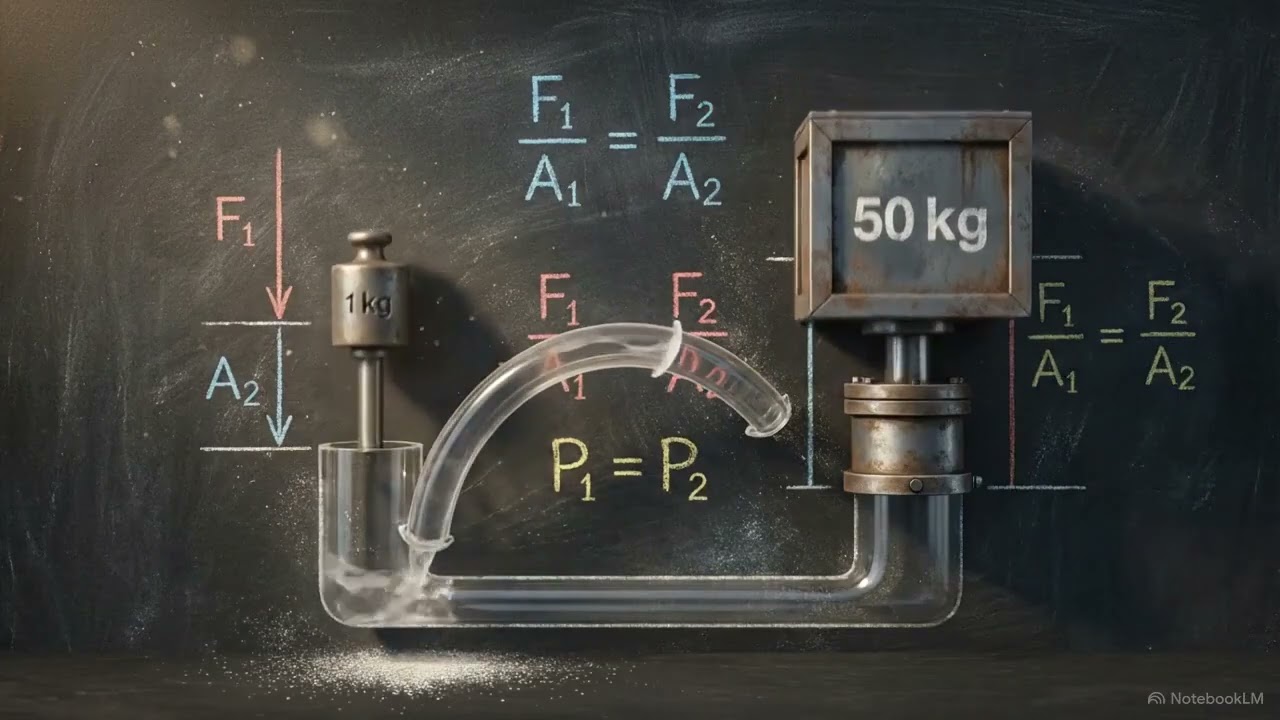
  • Fluids: fluid statics and fluid dynamics
  • Thermodynamics: heat, temperature, and energy transfer
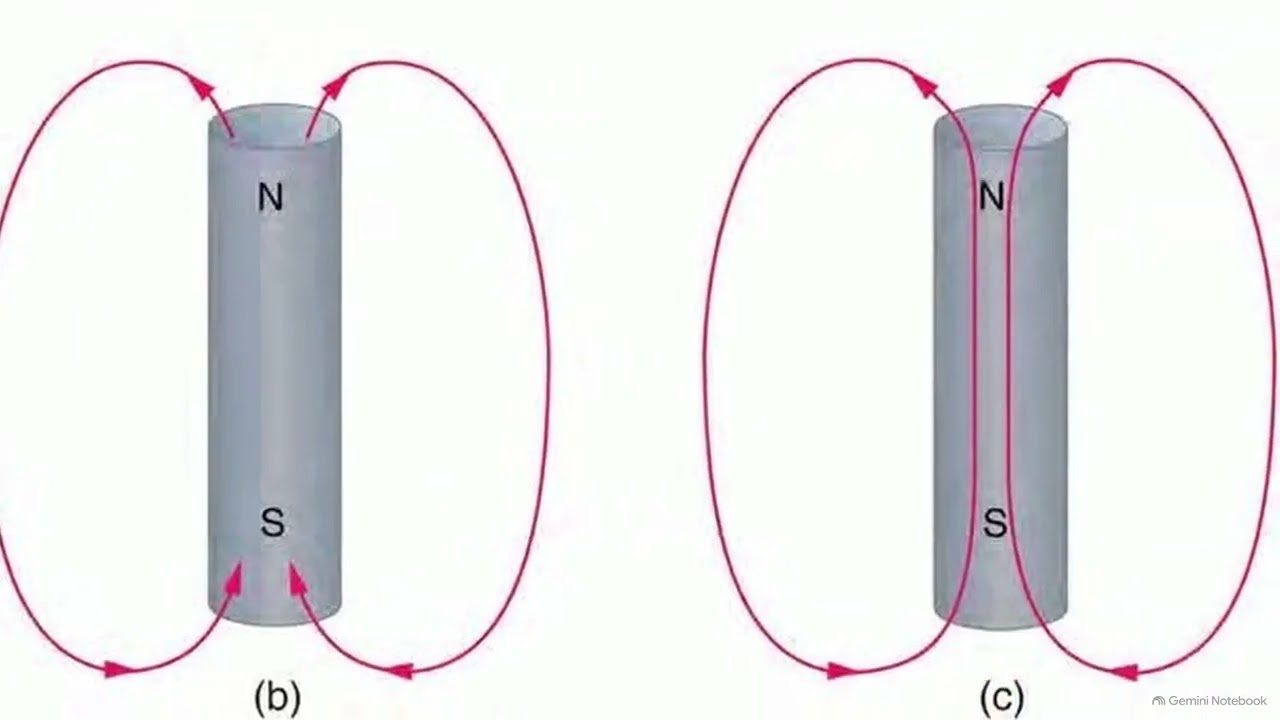
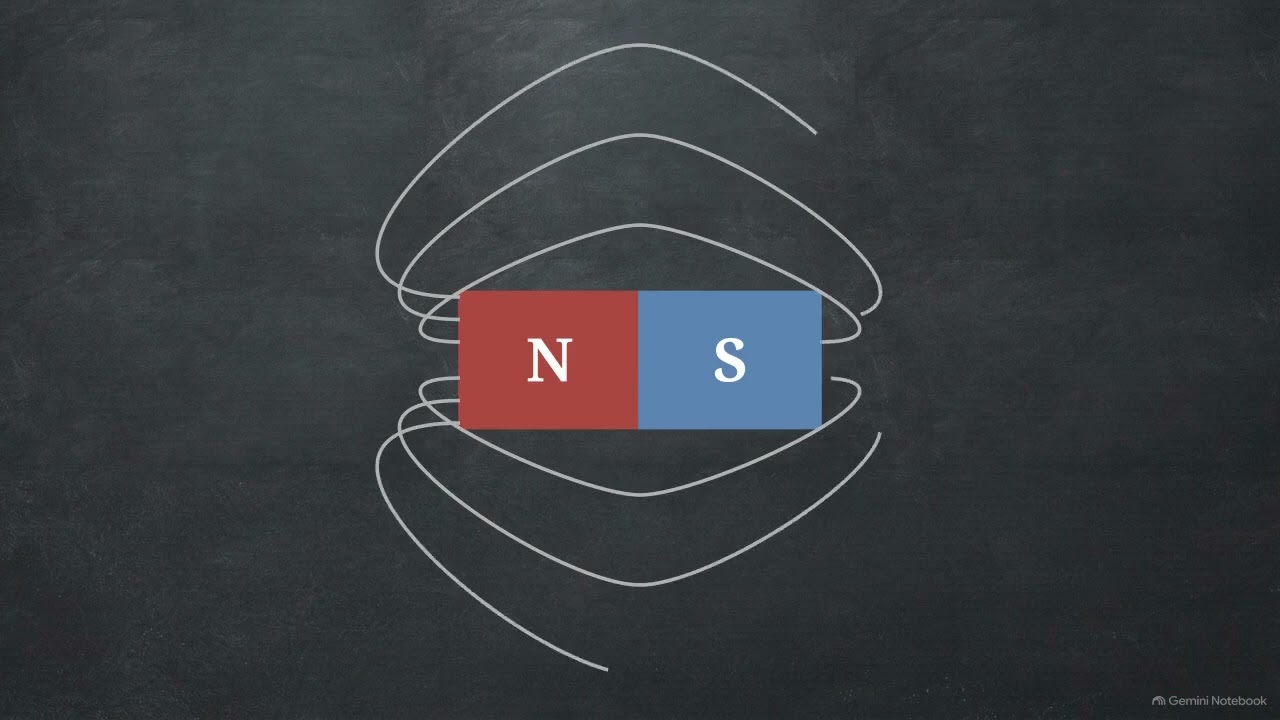
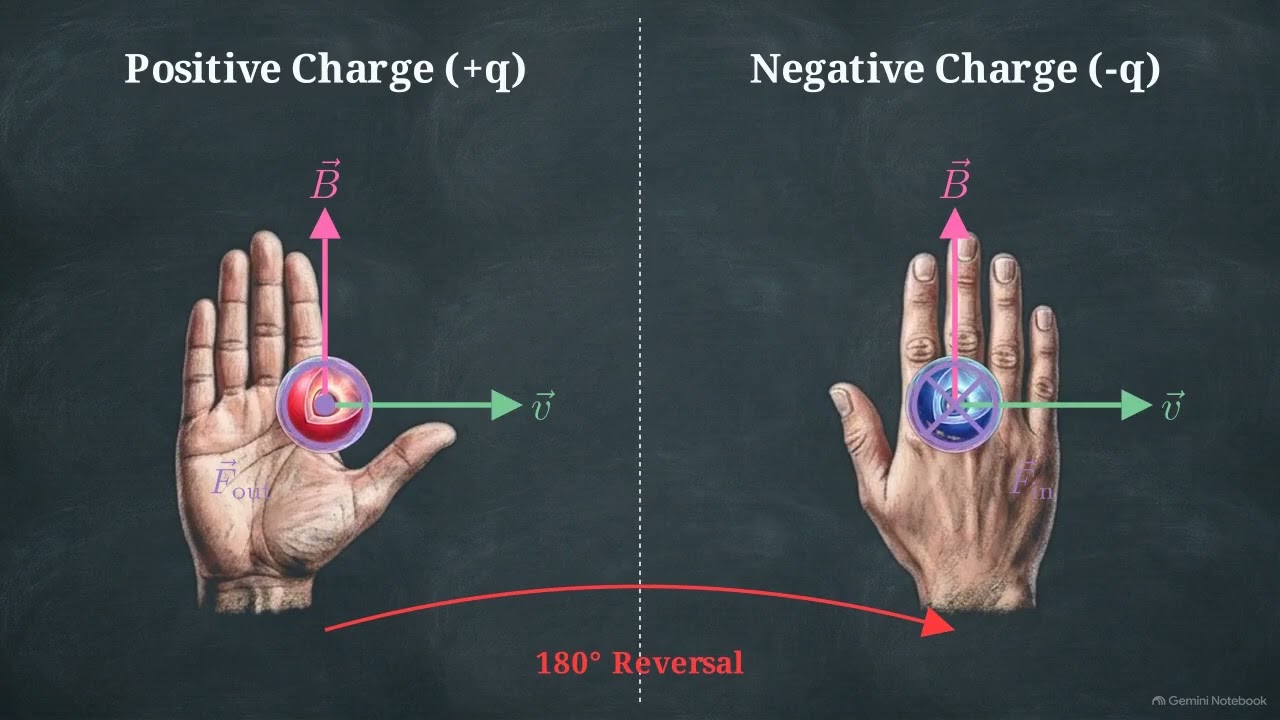
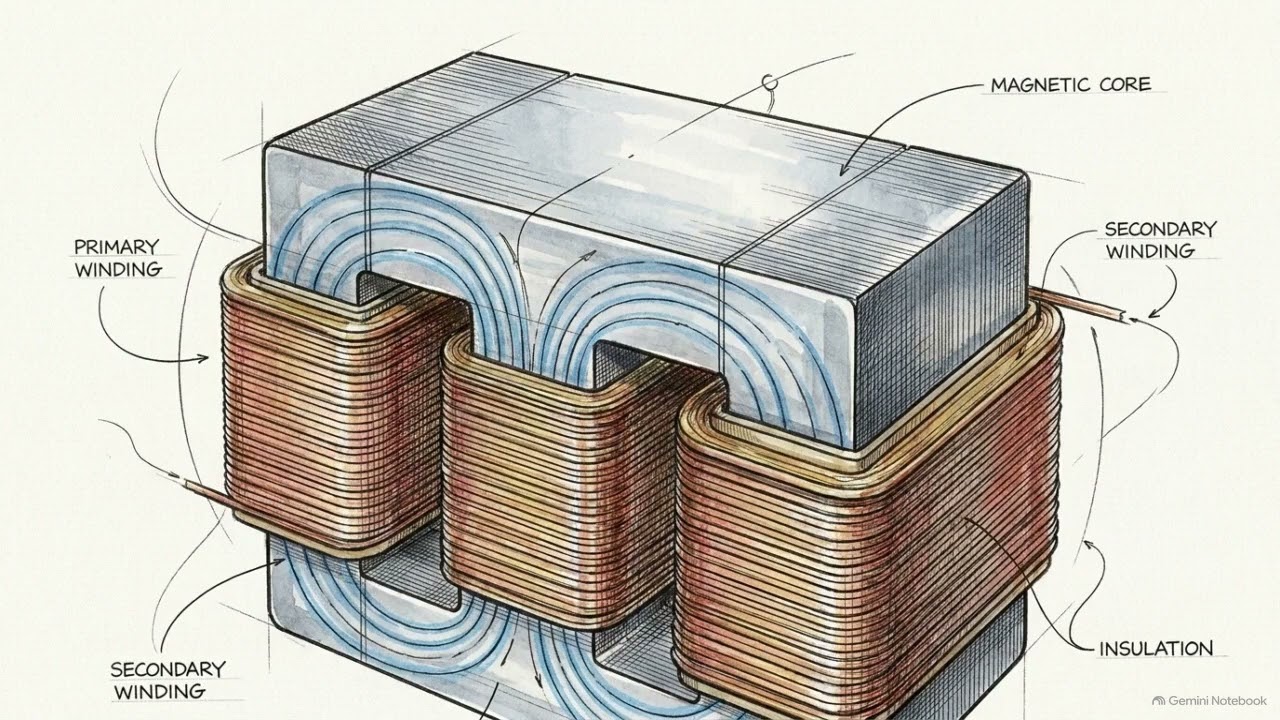
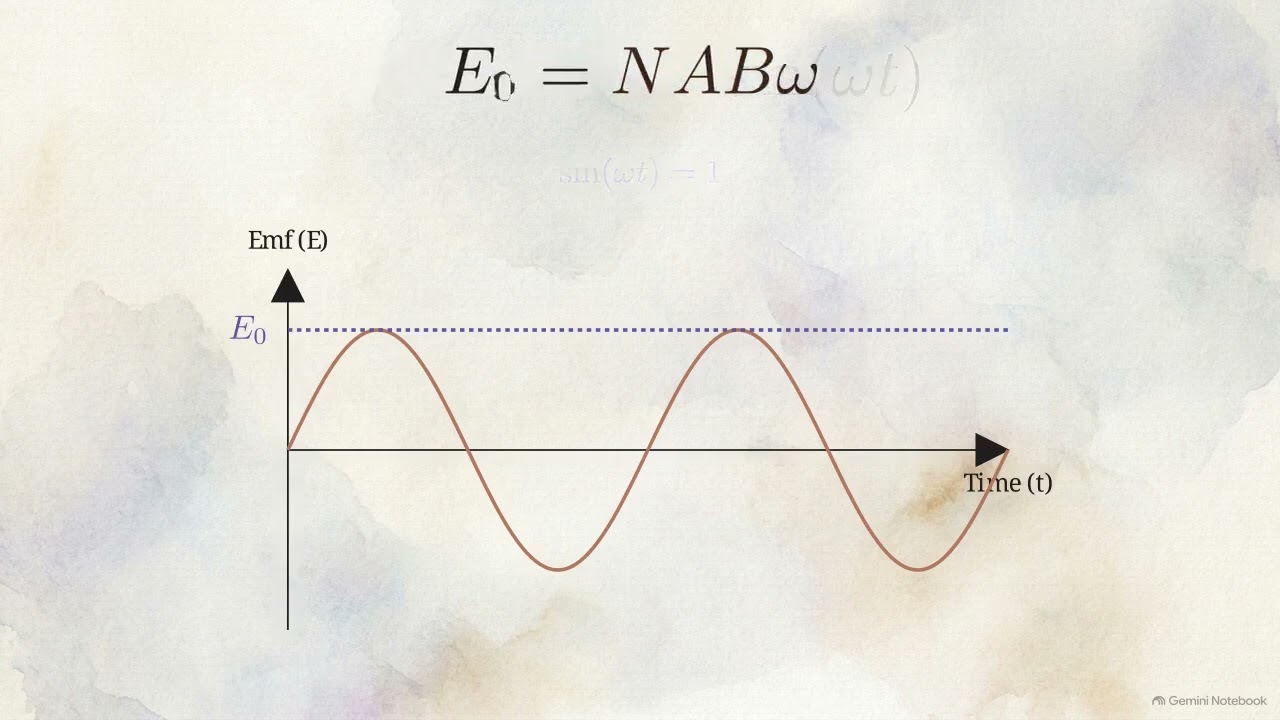
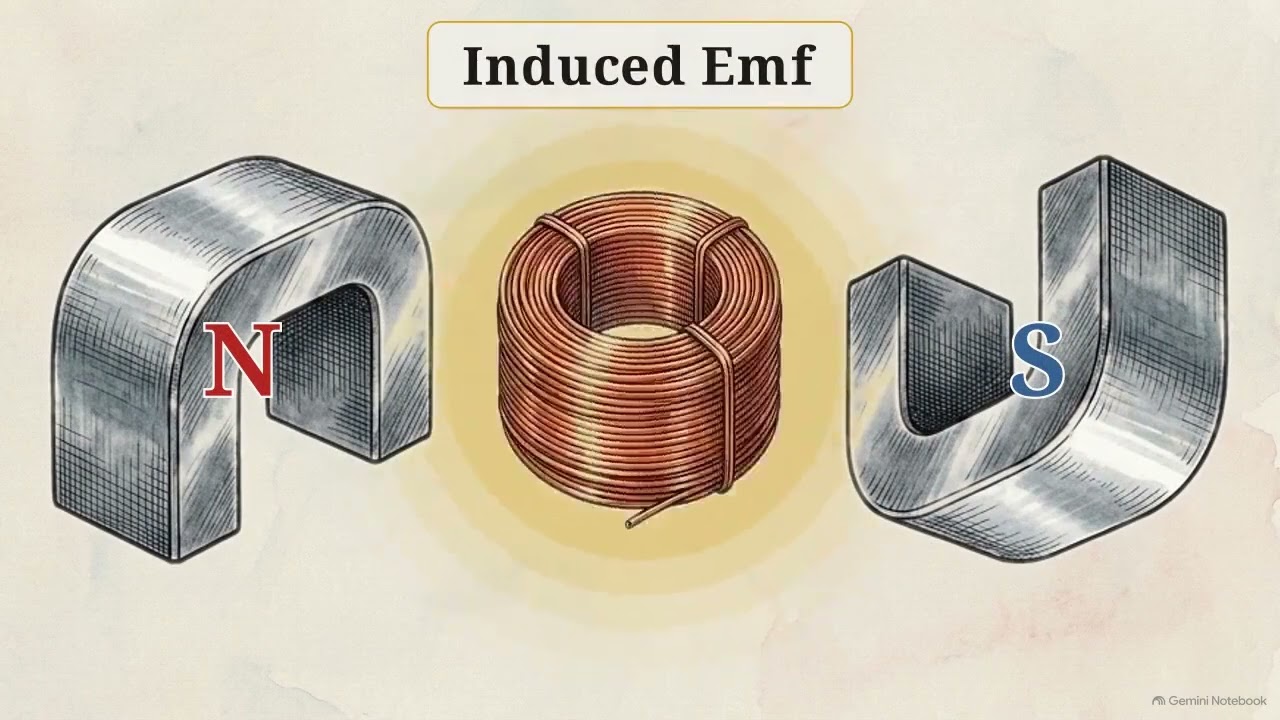
  • Electricity and Magnetism: electric charge, circuits, magnetic fields, and induction
  • Waves and Optics: sound, light, and wave behavior
  • Modern Physics: an introduction to relativity and quantum concepts
This video library now covers all 34 chapters of College Physics for AP Courses 2e, from Mechanics and Fluids through Thermodynamics, Electricity and Magnetism, Waves and Optics, and Modern Physics.

How to Study Physics

→

Course Resources: Textbook and Playlist

+

Chapter Lectures

Click a chapter to open its video list, then click any lecture to watch it on YouTube.
Chapter 1: Physics Foundations

▶ 4 video lectures
+

Chapter 2: One-Dimensional Kinematics

▶ 8 video lectures
+

Chapter 3: Two-Dimensional Kinematics

▶ 5 video lectures
+

Chapter 4: Forces and Newton's Laws

▶ 8 video lectures
+

Chapter 5: Friction and Drag Forces

▶ 3 video lectures
+

Chapter 6: Circular Motion and Gravitation

▶ 6 video lectures
+

Chapter 7: Work and Energy

▶ 9 video lectures
+

Chapter 8: Linear Momentum and Collisions

▶ 7 video lectures
+

Chapter 9: Statics and Torque

▶ 6 video lectures
+

Chapter 10: Rotational Motion and Angular Momentum

▶ 7 video lectures
+

Chapter 11: Fluid Statics

▶ 8 video lectures
+
Sections 11.1 and 11.2 are covered together in a single video.
Chapter 12: Fluid Dynamics

▶ 7 video lectures
+

Chapter 13: Temperature, Kinetic Theory, and the Gas Laws

▶ 6 video lectures
+

Chapter 14: Heat and Heat Transfer Methods

▶ 7 video lectures
+

Chapter 15: Thermodynamics

▶ 7 video lectures
+

Chapter 16: Oscillatory Motion and Waves

▶ 11 video lectures
+

Chapter 17: Physics of Hearing

▶ 7 video lectures
+

Chapter 18: Electric Charge and Electric Field

▶ 8 video lectures
+

Chapter 19: Electric Potential and Electric Field

▶ 7 video lectures
+

Chapter 20: Electric Current, Resistance, and Ohm's Law

▶ 7 video lectures
+

Chapter 21: Circuits and DC Instruments

▶ 6 video lectures
+

Chapter 22: Magnetism

▶ 11 video lectures
+

Chapter 23: Electromagnetic Induction, AC Circuits, and Electrical Technologies

▶ 12 video lectures
+

Chapter 24: Electromagnetic Waves

▶ 4 video lectures
+

Chapter 25: Geometric Optics

▶ 7 video lectures
+

Chapter 26: Vision and Optical Instruments

▶ 6 video lectures
+

Chapter 27: Wave Optics

▶ 9 video lectures
+

Chapter 28: Special Relativity

▶ 6 video lectures
+

Chapter 29: Quantum Physics

▶ 8 video lectures
+

Chapter 30: Atomic Physics

▶ 9 video lectures
+

Chapter 31: Radioactivity and Nuclear Physics

▶ 7 video lectures
+

Chapter 32: Medical Applications of Nuclear Physics

▶ 7 video lectures
+

Chapter 33: Particle Physics

▶ 6 video lectures
+

Chapter 34: Frontiers of Physics

▶ 7 video lectures
+